The Romance Empire: Understanding Fiction’s Dominant Language
Romance fiction owns more than a quarter of the American fiction market, and honestly, that number tells us something important about how readers connect with stories. This isn’t just about commercial success. Romance readers engage with what I think of as emotional translation—taking messy human feelings and turning them into story structures that work, every single time. Independent authors who get good at romance’s particular way of handling desire, conflict, and happy endings? They’re tapping into a market that never stops wanting fresh voices, as long as those voices understand the rules.
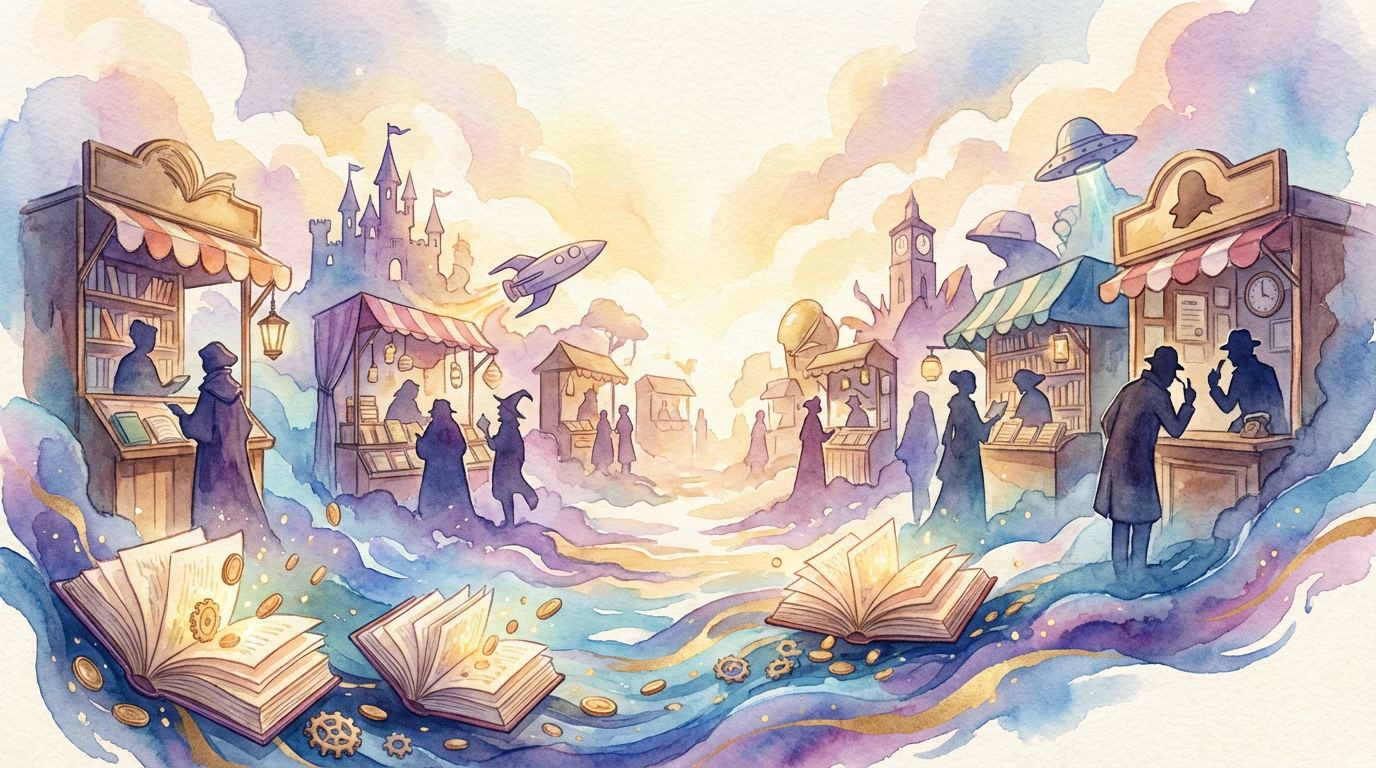
The romance market works like a living language. It keeps changing its vocabulary while the basic grammar stays the same. Independent authors succeed here when they learn to speak romance’s emotional language fluently, then add their own voice to it. You can’t just copy bestselling formulas. You need to understand how tropes work as shorthand, letting writers communicate complex relationship stuff through patterns that readers recognize instantly.
What makes romance especially good for independent authors is how much romance readers actually read. These readers often finish multiple books per month. They want to discover new authors. If you can keep up a consistent publishing schedule and write stories that feel both familiar and surprising, you’ve got real opportunities here. The Alliance of Independent Authors resources consistently point to romance as the easiest entry point for new independent publishers. The market rewards reliability and reader connection over traditional publishing gatekeepers.
The Romantasy Revolution: Translating Fantasy for Modern Hearts
Romantasy might be the most interesting translation experiment happening in fiction right now. Authors are successfully mixing fantasy’s complex world-building with romance’s emotional punch. This hybrid genre has become BookTok’s fastest-growing category because readers want both escapist magic and satisfying romantic payoffs. Independent authors working in romantasy have to handle two challenges at once: creating believable fantasy worlds while keeping the pacing and emotional beats that romance readers expect.
Romantasy’s success shows us that genre boundaries are more like suggestions than rules. Authors who figure out how to translate fantasy’s big scope and sense of wonder into romance’s intimate focus create stories that feed multiple reader cravings at the same time. The trick is careful balance. Your magic systems need to enhance romantic development, not overshadow it. Your romantic tension has to drive the plot forward through all those fantasy scenarios.
BookTok’s influence on romantasy’s growth shows us something important about how visual platforms can boost certain types of stories. The platform rewards books that translate well into short, visually appealing content. Romantasy’s combination of pretty fantasy elements and emotionally charged romantic moments works perfectly for social media promotion. Independent authors who understand this secondary translation, from text to visual snippet, get real marketing advantages when they’re trying to reach younger readers who find books through social platforms.
Comfort Food Fiction: The Cozy Translation of Chaos
Cozy mysteries and cozy fantasy do something completely different. They take traditionally intense genres and transform them into comforting, accessible stories. These subgenres take mystery’s puzzle-solving satisfaction or fantasy’s wonder and translate them into lower-stakes, community-focused stories that give readers escapism without anxiety. For independent authors, cozy fiction offers chances to build loyal reader communities around recurring characters and familiar settings.
The appeal of cozy fiction is how it translates complex emotions and situations into manageable, solvable problems. Cozy mysteries replace traditional crime fiction’s violence and psychological darkness with clever puzzles set in safe communities where justice wins and order gets restored. Cozy fantasy does something similar, translating traditional fantasy’s epic scope into intimate stories about magical communities dealing with everyday problems that happen to involve supernatural elements.
Independent authors who succeed in cozy markets understand that readers come to these books for emotional regulation, not stimulation. The challenge is keeping enough intrigue to engage readers while avoiding the stress and unpredictability that define their parent genres. You need to master a careful narrative voice that signals safety while still delivering genuine entertainment value.
Controversial Translations: Dark Romance and Market Dynamics
Dark romance presents a fascinating case study in how controversial content can generate criticism and commercial success at the same time. This subgenre translates traditionally problematic romantic dynamics into fictional frameworks that let readers explore complex emotions and power dynamics within clearly defined fantasy contexts. Independent authors working in dark romance navigate complex discussions about content, consent, and reader responsibility while serving a market that’s hungry for emotionally intense stories.
The controversy around dark romance often comes from translation failures. Critics interpret these fictional explorations as endorsements of real-world behavior rather than fantasy fulfillment. Successful independent authors in this space understand that clear content warnings and author notes work as important translation devices, helping readers understand the intended context and emotional purpose of challenging material.
Market success in dark romance requires authors to balance authenticity with responsibility. You’re creating stories that satisfy readers seeking intense emotional experiences while staying aware of your work’s potential impact. This means understanding how different reader communities translate fictional content into personal meaning, and writing stories that can handle both commercial and cultural scrutiny.
Digital Natives: Gaming Fiction’s Mainstream Translation
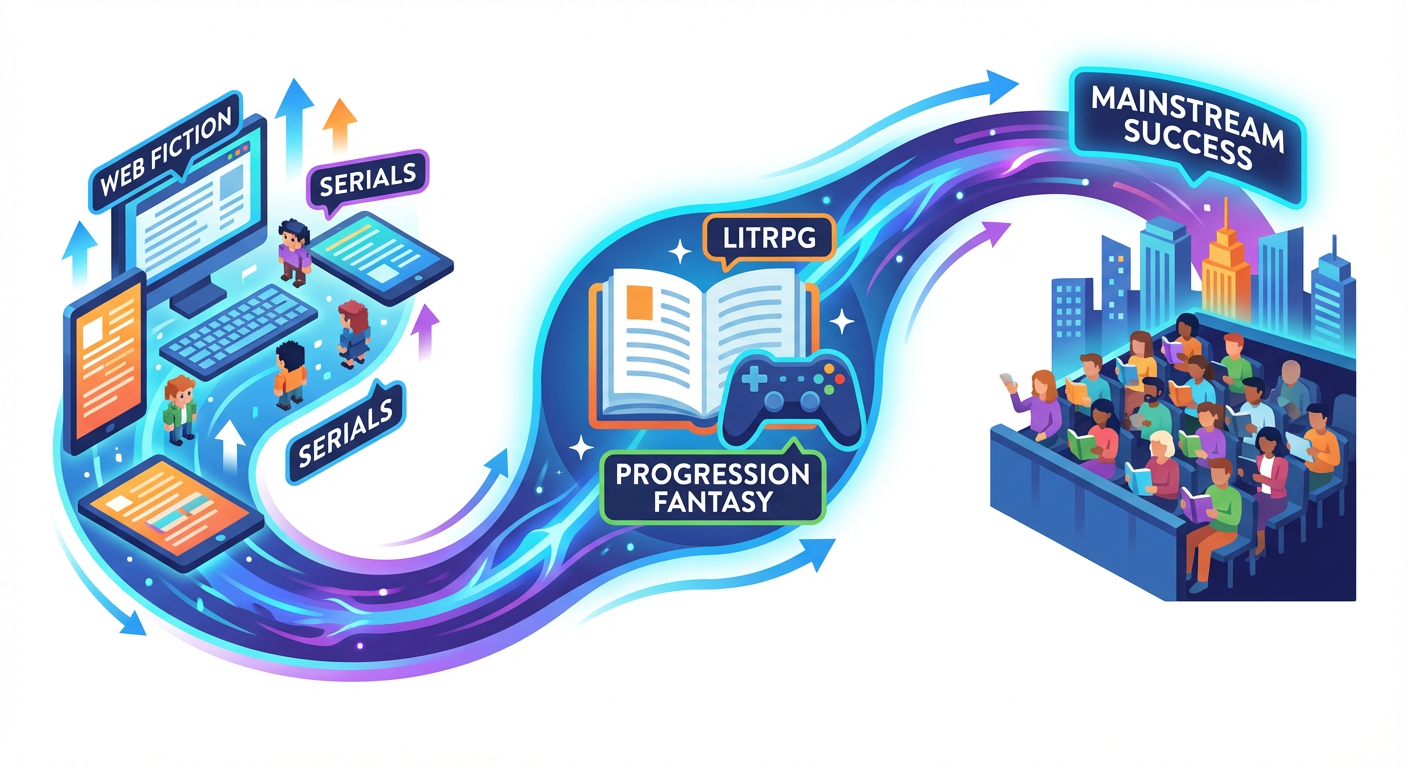
LitRPG and progression fantasy represent the successful translation of gaming culture into traditional story formats. These genres started in web fiction communities before gaining mainstream recognition, showing us how digital-native storytelling can evolve into commercially viable print markets. Independent authors with gaming backgrounds often find natural success here because they understand both the mechanical systems that drive these stories and the reader expectations that govern them.
Gaming fiction’s growth reflects broader cultural shifts toward interactive and achievement-based entertainment. Authors working in LitRPG translate gaming’s immediate feedback systems and clear progression markers into literary experiences that give readers similar satisfaction. This translation process means understanding how statistical progression, level systems, and skill trees can create narrative momentum even within traditional prose formats.
Audiobook markets have proven particularly receptive to gaming fiction, with the medium’s twenty percent annual growth rate driven partly by genre fiction’s strong performance. Publishers Weekly genre coverage frequently notes how audiobooks translate gaming fiction’s often complex world-building and system explanations into engaging listening experiences, opening new revenue streams for independent authors who understand both markets.
Understanding these genre markets requires recognizing that successful independent authors work as cultural translators, converting reader desires into accessible story experiences while building sustainable careers around their ability to speak multiple fictional languages fluently. The genres currently driving independent publishing success share common traits: clear reader expectations, strong community engagement, and formats that translate well across multiple media platforms. What questions about genre market navigation would help clarify your own publishing strategy?