When Speed Reading Lost Its Shine
I need to tell you something that’s been brewing in my brain for months now, and I’ve finally figured out why it matters so much. Slow reading isn’t trendy because we’re all secretly yearning for a Victorian parlor where ladies clutched leather-bound novels by candlelight. It’s trending because our brains are actually breaking, and we’re finally admitting it out loud. The numbers prove it. By January 2026, the hashtag #SlowReading had accumulated over 1.2 billion views on TikTok, which is genuinely staggering when you consider that eighteen months earlier, in mid-2024, that same hashtag was hovering around 300 million. Something shifted. Something real.
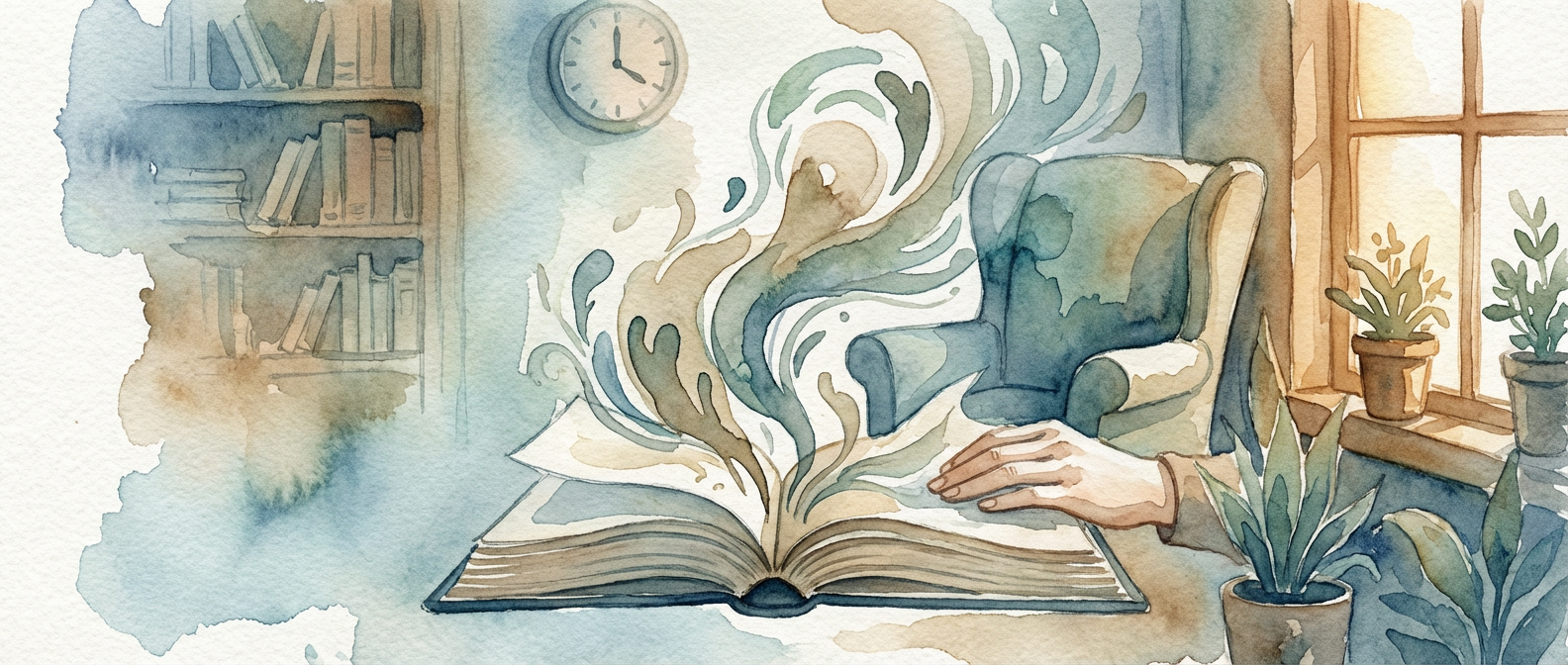
What shifted was permission. Permission to stop treating reading like a productivity metric. Permission to abandon the bookmark race and sit with a single chapter for an hour if that’s what the book demanded. Neuroscientist Maryanne Wolf, whose work on deep reading has become increasingly urgent in recent years, laid out the stakes during her 2025 Stanford lecture series: the average adult now dedicates less than twenty minutes per sitting to genuine deep reading. Less than twenty minutes. That’s not a moral failing on our part. It’s a structural crisis in how our attention has been architected. Wolf’s warnings about what we lose when our brains never slow down have resonated precisely because they’re not scare tactics. They’re anatomy.
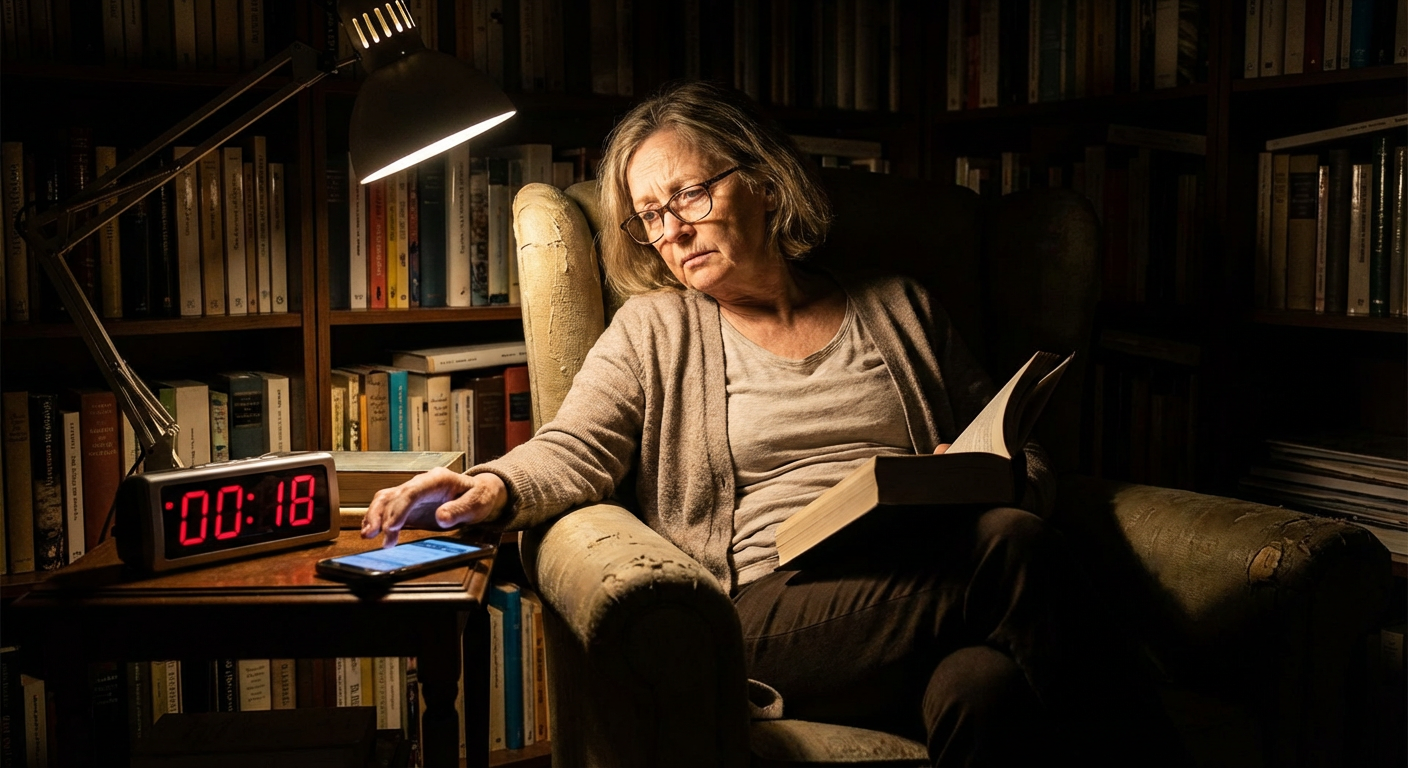
The Science Underneath the Hype
Here’s where I actually get excited, because the research is legitimately compelling. A 2025 study published in Cognitive Science compared readers who practiced what researchers called intentional slow reading against readers who moved through texts at conventional pace. Two weeks after finishing the same material, the slow readers retained thirty-four percent more narrative detail. Thirty-four percent. That’s not marginal improvement. That’s the difference between understanding a novel’s emotional architecture and simply knowing what happened in the plot. When you slow down enough to notice how an author has constructed a sentence, how the rhythm changes when tension builds, how a character’s voice shifts across dialogue, that’s when reading becomes an act of genuine comprehension rather than consumption.
The neurological explanation matters too. When you rush through text, your brain is essentially in scanning mode, picking up keywords and plot points. Deep reading activates entirely different neural networks, the parts of your brain responsible for reflection, inference, and emotional processing. Maryanne Wolf on Deep Reading and the Digital Brain has documented how these deeper reading networks are literally reshaping themselves based on how we actually read. The more we skim, the more skimming becomes our default mode. The more we linger, the more our capacity for lingering expands. It’s not poetic metaphor. It’s biology.
What The Slow Reading Surge Actually Looks Like
The movement is visible in the most unexpected places. Independent bookstores reported a twenty-eight percent increase in sales of reading journals and annotation supplies during the third quarter of 2025. People are buying actual journals. Physical objects designed specifically for sitting with books and taking notes. That’s not clickbait behavior. That’s intentional infrastructure for a different kind of engagement. When someone buys a handmade reading journal, they’re not doing it on impulse. They’re making a commitment to themselves about the kind of reader they want to be.
The Read Forward nonprofit saw over 400,000 people register for their One Book January challenge in 2026, which is frankly mind-blowing for a slow reading initiative. The challenge is deliberately anti-gamification. It’s not about finishing multiple books or hitting some numerical goal. It’s about reading one book deeply and communally across an entire month. People are volunteering for this. They’re choosing constraint as a feature rather than a bug. I’ve watched the discourse around it, and the participants aren’t stressed or performative. They’re having conversations about a single book the way we used to, the way book clubs still do at their best. They’re actually thinking together.
The Deserved Obscurity Question
Now I want to sit with something uncomfortable, because it matters. Not every book deserves slow, careful reading. Sometimes a book is forgotten because it should be. The slow reading movement risks becoming its own form of precious gatekeeping if we’re not careful, where literary merit becomes a thing we determine ahead of time based on existing reputation. But here’s what I’ve noticed among the people genuinely engaging with slow reading: they’re not gatekeeping. They’re actually curious about books that didn’t make it into the canon. They’re reading mid-list authors. They’re giving second chances to books that got middling reviews. They’re archaeology hunting through bookstores and library sales with genuine openness about what might deserve a slower look.
The point isn’t that slow reading saves every book. The point is that slow reading reveals things about books we might otherwise miss. Sometimes that revelation is that yes, this book is actually as forgettable as everyone said. Sometimes it’s that a book the world forgot had something valuable to say that we need now. You can only find out which one by actually spending time with the work. You can’t shortcut that process.
What This Means For How You Read Tomorrow
I’m not going to tell you that slow reading is for everyone, or that it has to look the same way for every person. That would be missing the actual point. The point is that you get to choose. You get to decide when a book deserves your rushed attention and when it deserves your lingering attention. You get to have both speeds in your reading life. You get to be the reader who tears through a mystery at midnight and also the reader who spends three weeks with a poem collection. Both are real reading. Both matter.
What’s shifted in 2026 is that slow reading has stopped being something you do apologetically, in secret, while the internet tells you that you should be reading more books faster. The statistics show it. The cultural permission structure has shifted. According to the American Booksellers Association Annual Report 2025, independent bookstores are thriving partly because they’re becoming spaces where this kind of engagement is celebrated rather than questioned. People are showing up and staying. People are buying annotation supplies and journals. People are joining reading challenges that have nothing to do with achievement metrics.
So here’s what I want to know: What would happen if you gave yourself permission to read one book this month with absolute attention? Not as productivity. Not as self-improvement. Just as an act of genuine encounter with something written. Which book would you choose? And more importantly, what would you notice if you actually had the time and space to pay attention?