The Book That Broke Through
I need you to understand something about the literary world before May 2025: Percival Everett had been writing extraordinary books for decades. Thirty books. Thirty. And yet he remained that name critics whispered about at conferences, the one serious readers pressed into your hands with an almost urgent intensity, the one the Los Angeles Times eventually called “the most underrated writer in America.” It’s the kind of designation that stings precisely because it’s accurate. Then James arrived, and everything shifted.
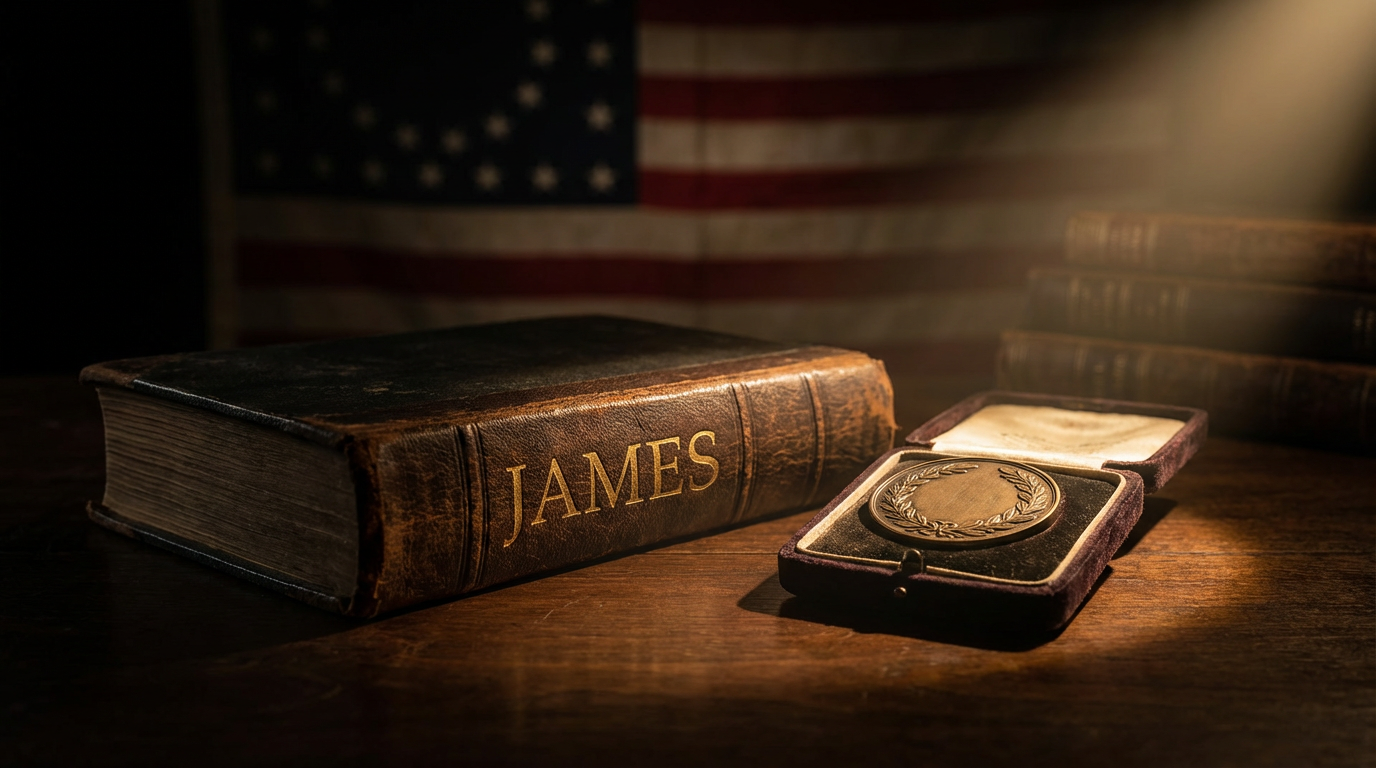
When the Pulitzer Prize committee announced that James had won the 2025 Fiction prize, they weren’t just honoring a single novel. They were making a statement about what American literature could do, should do, and what we’d been collectively overlooking. The book is a retelling of Mark Twain’s Huckleberry Finn from Jim’s perspective, a conceptual move that seems almost simple until you sit with what Everett actually accomplishes. He doesn’t just invert the narrative. He interrogates it, complicates it, resurrects Jim as a fully realized consciousness rather than a supporting character in someone else’s journey toward enlightenment.
The Rarity of Double Glory
Here’s what makes this moment genuinely historic: James won the Booker Prize in 2024, and then it won the Pulitzer in 2025. Within twelve months. Do you understand how rarely that happens? These are not casual honors. The Booker Prize represents international literary prestige, a validation from judges steeped in contemporary fiction from English-speaking countries. The Pulitzer represents American institutional recognition, a stamp that says this book matters to the national conversation we’re having about ourselves. For one book to achieve both within a year puts Everett in extraordinarily select company.
The double win signals something important about consensus. These are different prize committees, different judging philosophies, different geographical perspectives. When they both choose the same book, it stops being a matter of taste and becomes a matter of quality recognition. The literary world collectively exhaled and said: yes, this one. This one is undeniable.
The Landscape Changed in Real Time
What I find most striking is the commercial trajectory that accompanied the critical recognition. When James debuted at number one on the New York Times bestseller list in March 2024, it represented something unusual: a serious literary novel occupying the space traditionally reserved for celebrity memoirs and thriller franchises. Then it did something even more remarkable. It stayed there. Over forty weeks on the list through 2025, which means this wasn’t a flash of attention followed by inevitable decline. Readers kept buying it. Publishers Weekly reported that sales surpassed 1.2 million copies in the US by early 2025, an astonishing number for a novel that engages seriously with both historical trauma and philosophical inquiry.
This matters because it proves something I’ve long believed: readers are hungry for challenging, intelligent books when those books connect emotionally. James isn’t a compromise between literary merit and readability. It’s proof that the compromise itself was always false. People will read difficult books. They will read revisionist histories that force them to reckon with uncomfortable truths. They will spend weeks with a novel that makes them question their assumptions about race, freedom, and the stories America tells about itself. They don’t need the book dumbed down. They need it to be true.
What the Prize Says About Genre and Form
I want to push back against something I’ve been hearing since the Pulitzer announcement. Some commentators have framed this as “literary fiction winning,” as though James represents a triumph of one genre over another, of serious books over commercial ones. But here’s what I think is actually happening: James won because it operates across constraints in ways that produce extraordinary work. It’s literary in its philosophical ambition. It’s commercial in its narrative drive. It’s historical in its engagement with American literature’s canonical texts. It’s formally innovative in how it makes revision itself a literary strategy.
Everett’s career before this tells us something valuable. He published crime novels, experimental fiction, satirical work, genre-crossing novels that refused easy categorization. He wrote across forms because form wasn’t a limitation for him. It was a tool. The constraints of a particular genre or approach didn’t diminish his ambition. They focused it. That’s exactly what James does with the constraint of revision. Everett chose to work within the skeleton of Huckleberry Finn, and rather than limiting the book’s possibilities, that choice clarified them. He knew exactly what he was arguing against, what he needed to interrogate, what new voice had to enter the narrative.
The Overcorrection Question
There’s a conversation happening now that I find myself genuinely uncertain about. Some readers worry that this moment represents overcorrection, that we’re celebrating Everett not purely for the book’s merits but partly as penance for decades of overlooking him. I don’t think that worry is entirely unfounded. Recognition often arrives in waves that feel excessive precisely because the prior neglect was so severe. But it also misses something important. You don’t get to 1.2 million copies and forty weeks on the bestseller list because of guilt or overcorrection. You get there because the book genuinely speaks to people.
The Pulitzer Prize 2025 Fiction announcement represents something more than belated recognition, though it’s that too. It represents a moment when the literary establishment’s actual values aligned with its stated values. When what they claimed to care about matched whom they chose to honor. That alignment is rarer than it should be.
So here’s what I keep thinking about: What does this moment open up for other writers working in constraint, refusing generic purity, writing books that exist at the intersections? Everett’s breakthrough suggests that American literature might finally be ready for that kind of work. I want to know what you’re reading right now that feels underrated. I want to know what books made you feel seen in ways you didn’t expect. Send me your midnight book texts. I’ll be waiting.