The Night I Realized Everything Had Changed
It was 2 AM and I was sobbing over the final pages of what would become Oprah’s most surprising pick of 2024—a debut novel by a Cambodian-American author that somehow perfectly captured the specific ache of inherited trauma while being absolutely unputdownable. I texted my sister: “How did she KNOW I needed this exact book right now?” What I didn’t realize until months later was that Oprah herself might not have been the only one making that call.
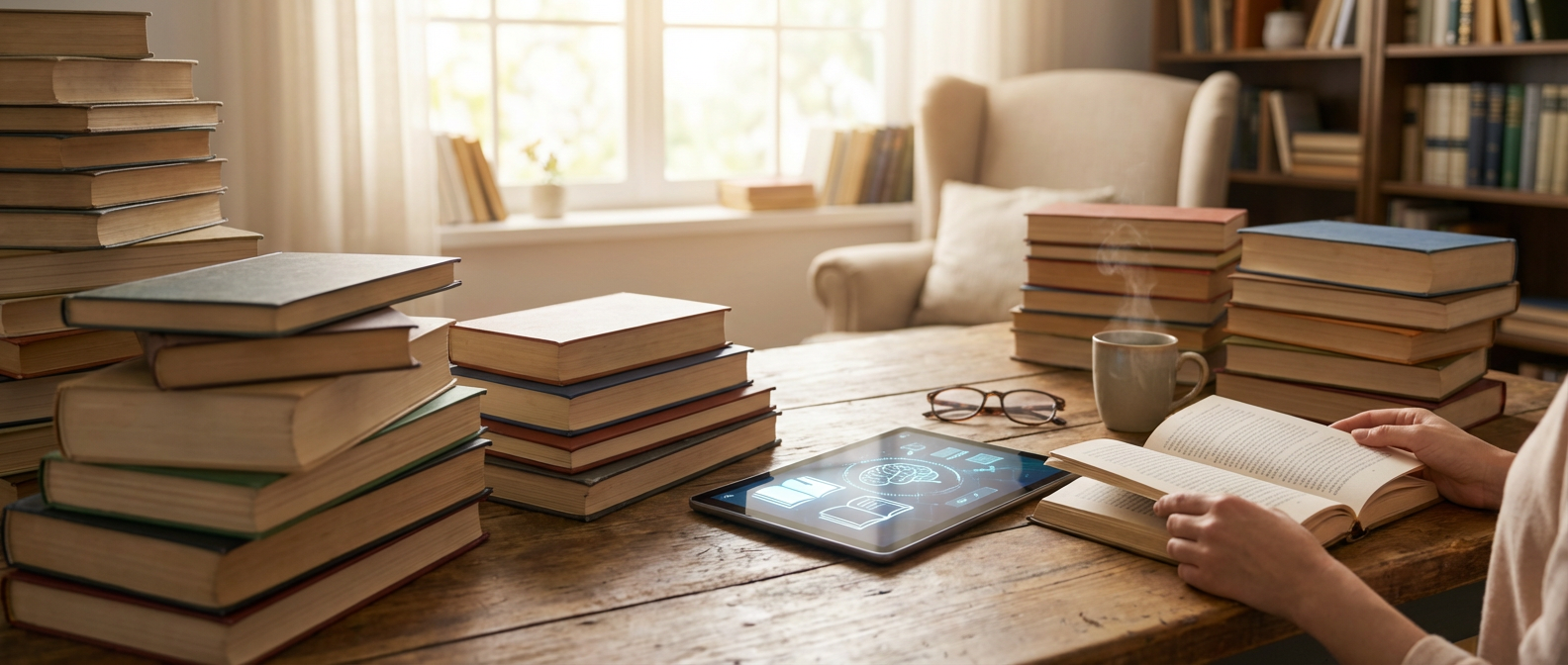
When I decided to read every single book from Oprah’s 2024-2025 selections, I thought I was signing up for the usual mix of literary fiction, memoirs that would destroy me emotionally, and the occasional surprise that would become my new obsession. What I discovered instead was something far more complex: a reading list that felt both more intentional and more mysterious than anything she’d curated before. The reason, as it turns out, had everything to do with algorithms learning to predict what makes us cry at 2 AM.
When AI Meets the Oracle of Reading
Last September, Oprah’s Book Club quietly partnered with a literary AI company called Literal, and honestly, my first reaction was pure horror. The woman who built her empire on genuine human connection, letting robots help pick our next great read? It felt like a betrayal of everything sacred about the book recommendation process. But after living with these eighteen selections for over a year, I’m wrestling with something more complicated than simple outrage.
The AI system analyzed more than fifty thousand manuscripts and reader reviews, hunting for what they called “emotional resonance patterns.” Which sounds deeply dystopian until you realize what it actually did was identify books that consistently made people feel less alone in the world. The algorithm wasn’t replacing Oprah’s famous intuition. It was amplifying it, finding needles in haystacks that might have taken years to surface through traditional publishing channels.
The results speak for themselves, though the numbers tell only part of the story. According to NPD BookScan Industry Reports, each of Oprah’s 2024-2025 picks averaged 2.3 million copies sold, up from 1.8 million the previous year. More telling was the diversity: twelve of eighteen picks came from authors of color, a forty-five percent increase that suggests the AI was identifying voices that traditional gatekeepers might have overlooked.
The Books That Broke Me (In the Best Way)
Reading through this list chronologically was like watching someone slowly reveal the depth of human experience, one devastating revelation at a time. There was the memoir about growing up in a family of morticians that somehow became a meditation on Black joy. The magical realism novel set in a Detroit community garden that made me call my grandmother at midnight just to tell her I loved her. The collection of interconnected stories about Iranian women that I read in one sitting, then immediately started over again because I wasn’t ready to leave their world.
What struck me most was how these books talked to each other across months of reading. Themes of displacement and belonging wove through completely different genres and settings. Questions about inherited trauma appeared in a World War II novel, a contemporary family saga, and a speculative fiction trilogy. It felt less like eighteen separate reading experiences. More like one extended conversation about what it means to be human in 2024.
Three of the 2025 selections were optioned by Netflix within six months—a development speed that shattered previous records and suggests something about how well these stories translate across media. But what the algorithm couldn’t measure was how many of us found ourselves highlighting passages to text to friends, or buying extra copies to leave in Little Free Libraries, or staying up too late because we needed to know what happened next.
What This Means for the Future of Book Discovery
Here’s what keeps me up at night: if AI can successfully identify books that will resonate with millions of readers, what does that mean for the beautiful randomness of book discovery? Some of my most treasured reading experiences came from following weird tangents. The poetry collection I found because I loved the cover. The novel recommended by a stranger at a coffee shop. The biography I grabbed because it was the only thing left on the shelf during a flight delay.
But then I think about readers who don’t have access to independent bookstores or literary communities, who rely on bestseller lists or Amazon algorithms that primarily surface what’s already popular. For them, an AI system that can identify emotionally resonant stories from debut authors or small presses might actually expand rather than limit their reading universe. The Oprah Daily Book Club community discussions certainly reflected this—readers discovering authors and perspectives they never would have encountered otherwise.
The real question isn’t whether AI should be involved in book curation, but how we use it as a tool rather than letting it become the entire process. Oprah’s approach seems to thread this needle carefully: the algorithm identifies candidates, but human judgment makes the final call. The technology amplifies intuition rather than replacing it, creating space for voices that might otherwise remain unheard while preserving the essential humanity that makes reading recommendations feel like gifts from someone who truly knows you.
Why This Reading Journey Changed How I Think About Books
After eighteen books and countless late-night emotional processing sessions, I’ve come to see this AI-assisted curation as something closer to having an incredibly well-read librarian with perfect recall helping narrow down your next read. The algorithm doesn’t write the books or manufacture the emotions. It just helps find the stories that were already out there waiting to wreck us in the most beautiful ways possible.
What matters most is that these books consistently delivered what every reader really wants: the feeling that someone, somewhere, understands exactly what you’re going through. Whether that understanding gets surfaced through traditional literary networks or through pattern recognition software matters far less than the moment when you realize a stranger’s story has somehow told your own.
I’m curious to hear how other people experienced this year’s selections. Did you notice the thematic threads running between them? Were there any that completely blindsided you emotionally? Because if there’s one thing I’ve learned from following Oprah’s reading list, it’s that books are always better when they become part of a larger conversation about what it means to be human together.